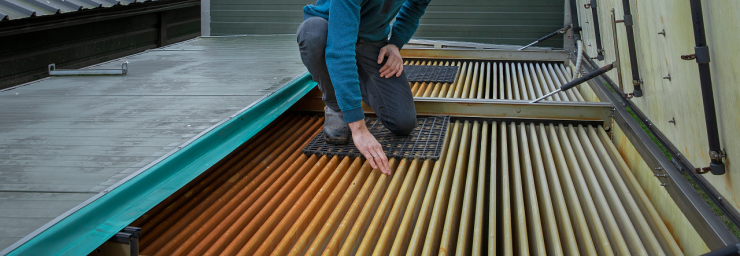
When it comes to ensuring efficient operation and leak prevention in heat exchangers, the choice of gasket plays a critical role. Heat exchangers are widely used in various industries such as chemical processing, power generation, HVAC systems, and food processing, making the selection of the appropriate sealing solution essential for both safety and performance. Understanding the different types of gaskets and their suitability for diverse conditions in heat exchangers is key for operators and engineers alike.
What are gaskets and why are they crucial in heat exchangers?
A gasket is a mechanical seal that fills the space between two or more mating surfaces, preventing leakage of fluids or gases during operation. In heat exchangers, where fluids at different temperatures and pressures are transferred, gaskets are vital for maintaining system integrity and minimizing losses. The right gasket not only ensures operational safety but also prolongs the service life of the equipment by minimizing the risk of leaks and corrosion at joint interfaces.
What are the main types of gaskets used in heat exchangers?
The choice of gasket type often depends on the heat exchanger design, the nature of the fluids involved, the temperature range, and the pressure levels. Below are the most common types of gaskets found in heat exchanger applications:
- Non-metallic gaskets (Soft gaskets): Made from materials such as rubber, graphite, PTFE, or compressed fiber sheets, non-metallic gaskets are highly adaptable and ideal for low to moderate pressure and temperature ranges. Their flexibility allows them to seal uneven surfaces effectively.
- Metallic gaskets: Manufactured from materials like stainless steel, copper, or other alloys, metallic gaskets are suitable for high-pressure and high-temperature applications. They offer excellent durability but require perfectly matched flanges for optimal sealing.
- Semi-metallic gaskets: These combine the benefits of both metallic and soft gaskets. The most prominent example is the spiral wound gasket, which consists of alternating layers of metal and filler material, offering a balance between flexibility and strength. This type is especially popular in heat exchangers exposed to fluctuating temperatures and pressures.
How do plate heat exchanger gaskets differ from those in shell and tube heat exchangers?
Understanding the type of heat exchanger in use is essential for specifying the correct gasket. The two major heat exchanger designs—plate and shell-and-tube—require different sealing approaches:
- Plate heat exchanger gaskets: Plate heat exchangers utilize thin, corrugated metal plates clamped together with gaskets placed between them. These plate gaskets are typically made from elastomeric materials such as NBR (Nitrile Butadiene Rubber), EPDM (Ethylene Propylene Diene Monomer), or Viton (a type of fluoroelastomer). Their design allows them to conform to the plate patterns, providing a tight seal and enabling easy maintenance or replacement. The choice of elastomer depends on factors like the type of fluid, operating temperature, and chemical compatibility.
- Shell and tube heat exchanger gaskets: These heat exchangers require gaskets to seal the channel and tube sheet interfaces. Common types include double-jacketed gaskets, spiral wound gaskets, and corrugated metal gaskets. Double-jacketed gaskets consist of a soft filler (often graphite) enclosed in a metal jacket, offering both flexibility and high-temperature resistance. Spiral wound gaskets, with their alternating layers of metal strip and filler, are preferred for their resilience and ability to maintain a seal under cycling conditions.
What factors influence the choice of gasket material in heat exchangers?
Several considerations determine which gasket material is most appropriate for a specific heat exchanger application:
- Temperature resistance: High operating temperatures demand materials like graphite, PTFE, or specific metal alloys that can retain their sealing properties without deforming or degrading.
- Chemical compatibility: The gasket must withstand exposure to the fluids within the heat exchanger without suffering from chemical attack or swelling. For example, EPDM is suitable for water and steam, while Viton is preferred for aggressive chemicals.
- Pressure rating: For systems operating at high pressures, metallic or semi-metallic gaskets are generally favored due to their strength and resistance to blowout.
- Ease of maintenance: In industries where rapid cleaning and gasket replacement are essential, such as food processing or pharmaceuticals, gaskets that are easy to remove and replace (like those used in plate heat exchangers) are advantageous.
Which industries and applications use specialized heat exchanger gaskets?
The diversity of industrial processes using heat exchangers necessitates a wide range of specialized gasket solutions. For instance, the petrochemical industry often relies on spiral wound and double-jacketed gaskets due to their ability to withstand extreme conditions. The food and beverage sector prioritizes hygienic gaskets made from FDA-approved elastomers, while power plants may require gaskets that can handle both high thermal cycling and corrosion. Companies like groupmcd.com provide tailored solutions for various sectors, ensuring optimal performance and compliance with industry standards.
What are the latest advancements in gasket technology for heat exchangers?
Continuous innovation in gasket manufacturing has led to the development of advanced materials and designs that offer improved sealing, longevity, and compatibility with harsh operating environments. Recent advancements include:
- Expanded graphite gaskets: These gaskets provide excellent chemical and thermal resistance, making them suitable for aggressive media and high-temperature applications.
- PTFE-encapsulated gaskets: Combining the chemical inertness of PTFE with the strength of a metal core, these gaskets are increasingly used in applications where contamination is a concern.
- Custom-molded elastomeric gaskets: With the aid of modern molding techniques, manufacturers can now produce gaskets tailored to specific plate geometries, improving sealing efficiency and reducing the risk of leaks.
Overall, the selection of the right gasket for a heat exchanger is not a one-size-fits-all decision. It requires careful consideration of the operating environment, fluid characteristics, temperature and pressure demands, and maintenance requirements. By staying informed about the latest technologies and understanding the unique needs of each application, operators can ensure the ongoing reliability and efficiency of their heat exchanger systems.

